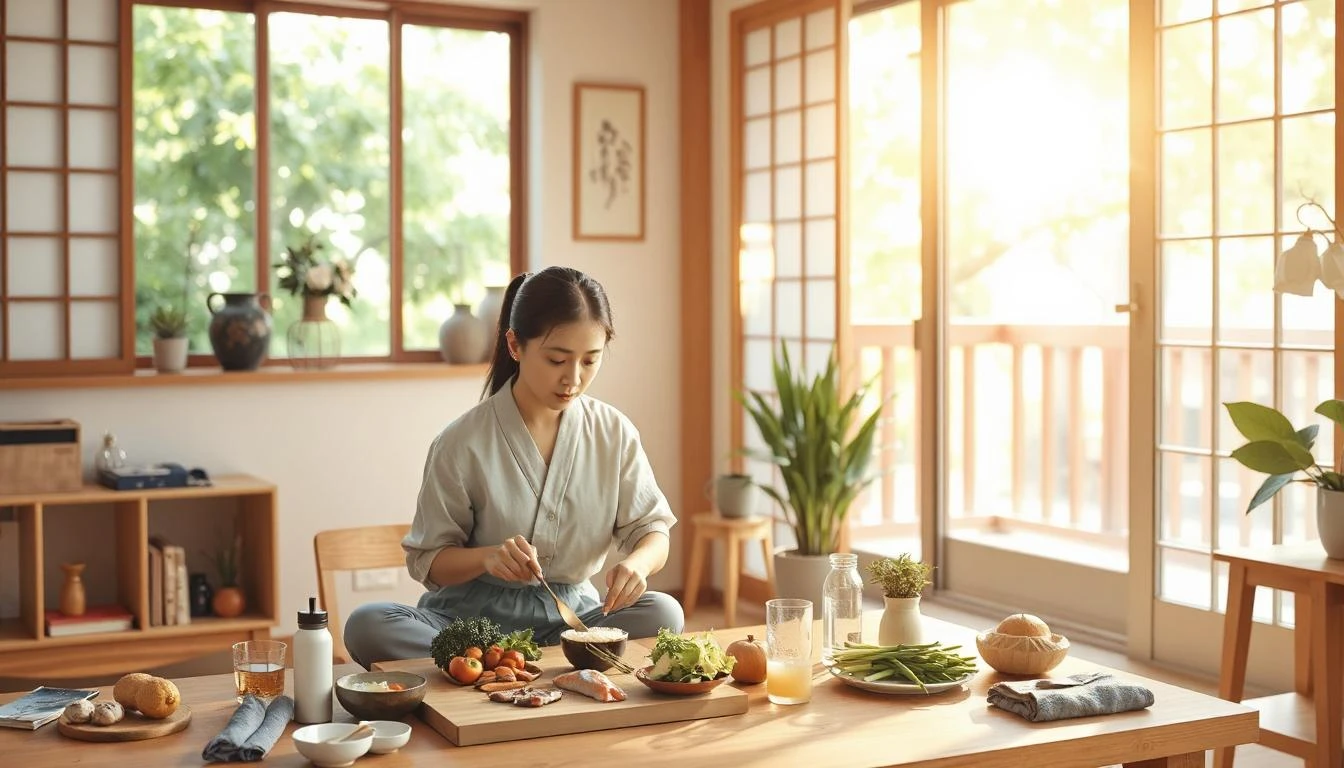
Japanese Wellness Secrets For Healthy Living
Japanese wellness has quietly become one of the most studied lifestyle models in the world, not because it is trendy, but because it works in a deeply consistent and human-centered way. It blends discipline, simplicity, and cultural intelligence into something that feels almost effortless when observed, yet highly intentional when practiced. People searching for sustainable health solutions often find themselves drawn to this system because it answers a very modern problem: how to stay healthy without overwhelming complexity.
The growing global curiosity around japanese healthy living is not accidental. Researchers, nutritionists, and lifestyle experts continue to analyze why this approach produces such consistent longevity outcomes. It is a framework shaped by tradition, environmental awareness, and behavioral design that quietly influences daily decisions. In essence, japanese healthy living is not just a diet or routine, it is a structured philosophy of balance that integrates mind, body, and environment into one continuous flow.
The Philosophy Behind Japanese Wellness
Japanese wellness philosophy is built on subtle principles that shape everyday decisions without feeling restrictive. It is less about strict rules and more about internal alignment between lifestyle and nature.
The concept of wellness routines from japan becomes important here, as these routines are not isolated habits but interconnected systems that support long-term wellbeing. From eating habits to emotional regulation, everything is designed to maintain equilibrium rather than extremes.
Importance of balance in daily life
Balance is considered a natural state rather than an achievement. Meals are portioned, schedules are structured gently, and even rest is treated as productive recovery. This reflects a cultural understanding that imbalance creates long-term strain on both physical and emotional systems.
Mindful living and healthy routines
Daily life in Japan often includes quiet awareness in small actions. Eating slowly, walking with attention, and minimizing distractions are not practices, they are instincts formed through repetition. This creates a lifestyle where mindfulness is embedded, not added.
Traditional wellness values in Japanese culture
Cultural philosophies like Ikigai and Shinrin-yoku shape behavior from an early age. According to wellness historian Dr. Kenji Watanabe, “Japanese health culture is built on prevention through lifestyle harmony, not reaction through medical correction.” This idea reinforces how deeply tradition influences modern wellbeing.
Popular Japanese Wellness Habits
Before exploring habits, it is important to understand that Japanese wellness is not built on intensity but on consistency. Each action is designed to be sustainable across decades, not weeks.
The idea of wellness routines from japan also extends into food, movement, and relaxation practices that are seamlessly integrated into everyday life rather than separated as special activities.
Healthy eating with balanced portions
Diet in Japan emphasizes variety and moderation. Meals often include fish, rice, vegetables, fermented foods, and green tea. This balance supports digestion, metabolic stability, and long-term energy regulation.
Daily movement and active lifestyle practices
Movement is naturally embedded in transportation and daily errands. Walking and cycling replace sedentary habits, making physical activity a byproduct of living rather than a scheduled obligation.
Relaxation techniques for mental wellbeing
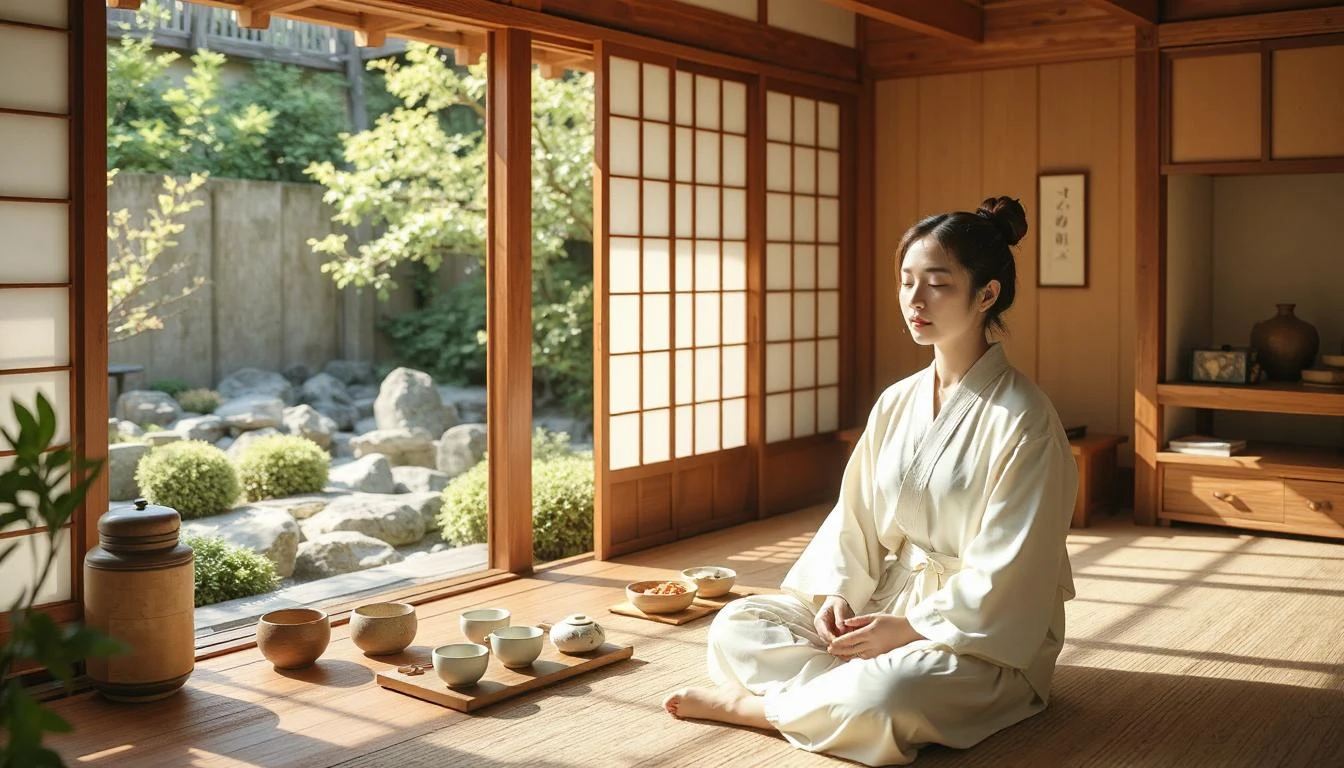
Hot springs, tea ceremonies, and quiet reflection help regulate stress responses. These practices reduce mental overload and encourage emotional reset, which is essential in fast-paced environments.
As nutrition expert Dr. Aiko Matsuda notes, “The Japanese lifestyle succeeds because it does not separate health from daily living, it integrates it completely.”
How Japanese Wellness Supports Long Term Health
The strength of Japanese wellness lies in its long-term sustainability. It is not designed for rapid transformation but for lifelong stability that adapts to changing life stages.
Here, japanese healthy living becomes a system of prevention rather than correction, helping individuals maintain equilibrium without extreme interventions.
Building sustainable lifestyle habits
Habits are designed to be gentle and repeatable. Instead of extreme diets or intense regimens, individuals adopt small actions that accumulate over time into significant health benefits.
Reducing stress through mindful activities
Stress reduction is embedded in daily rituals such as tea drinking, walking in nature, and structured breathing. These actions regulate nervous system responses naturally.
Creating harmony between body and mind
The integration of mental and physical wellbeing is central. Emotional clarity is treated as equally important as physical health, ensuring holistic stability.
The underlying message is clear: long-term health is not created through intensity, but through consistency and environmental harmony that supports natural human rhythms.
Discover Japanese Healthy Living Secrets For Better Living
Japanese wellness continues to gain global attention because it offers a realistic alternative to extreme modern health trends. It encourages individuals to slow down, observe, and refine their daily choices.
The foundation of japanese healthy living lies in simplicity, while wellness routines from japan offer practical ways to integrate this philosophy into modern life. These routines are adaptable, making them relevant across cultures and lifestyles.
A growing body of research highlights how these habits support longevity, emotional stability, and metabolic health. The system works not because it is complex, but because it is consistent and culturally reinforced.
As global health expert Dr. Michael Harper states, “Japan demonstrates that longevity is not an accident of genetics alone, but a reflection of daily behavioral design.”
The question is no longer whether this lifestyle is effective, but how much of it can be realistically integrated into modern routines without resistance.